John Barclay and Cole Thompson: Black and White vs Color Photography
Updated: Jul 22
How vision, subject matter, and creative intent shape the choice between monochrome and color
In episode 25 of Shutter Nonsense, Michael and Jeffrey sit down with Cole Thompson and John Barclay for a thoughtful, funny, and surprisingly deep conversation about black and white versus color photography. What starts as a discussion about when to choose monochrome over color quickly opens into a much bigger exploration of vision, creative intent, and why some photographers are drawn to certain ways of seeing the world in the first place.
Along the way, the episode dives into why color can sometimes overpower a photograph, why black and white is far more than a fallback editing choice, and why social media is a terrible yardstick for meaningful work. For nature photographers, it is the kind of conversation that can change how a scene is approached in the field and how an image is understood long after the shutter is pressed.
Join the fun! All Patreon members, whether free or paid, can participate in our community chats for each episode (select paid tiers also gain access to new episodes a week early). Don't miss out!
Contents
Listen or Watch Now
Or find us on your favorite podcast app: just search for Shutter Nonsense!
Episode Summary
This is not just a debate about editing style. It is really about how photographers see, what they are drawn to, and how they decide what matters most in a scene.
Why Black and White Photography Still Matters
A major thread running through the episode is the idea that black and white photography remains powerful precisely because it removes one of the most dominant elements in an image: color. John explains that color can be so visceral that it starts to overpower the actual subject. When that happens, converting a scene to black and white can help the viewer focus on shape, pattern, rhythm, texture, and graphic structure instead.
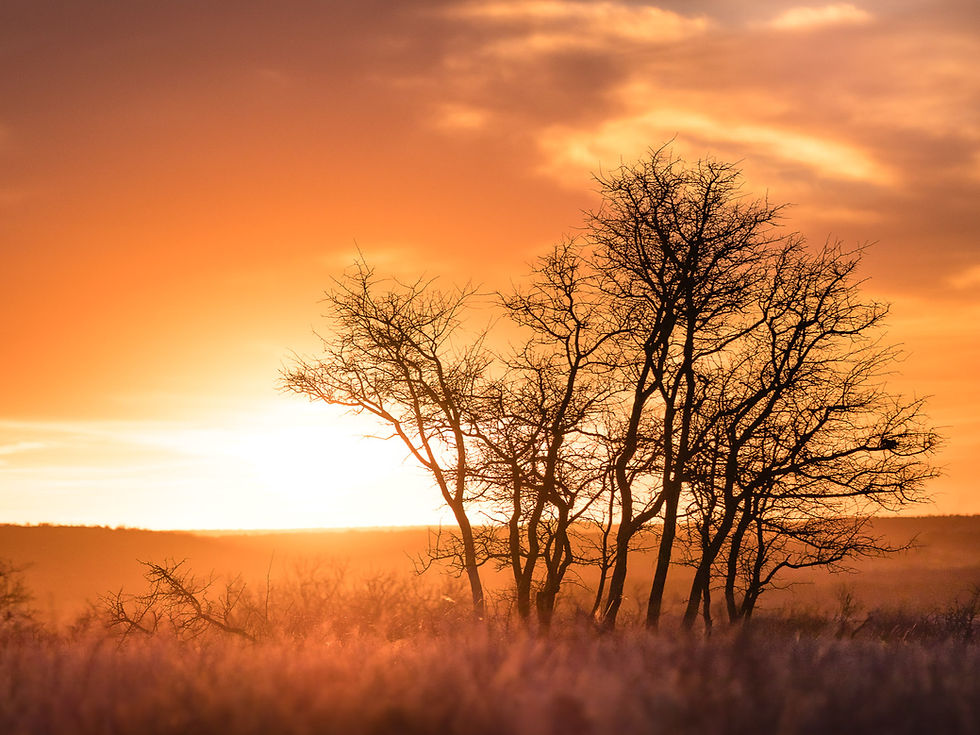
That idea is especially relevant in nature photography. A color image can be beautiful because of fall foliage, sunset light, or bold contrast between warm and cool tones. But sometimes those same qualities distract from the deeper structure of the photograph. In those moments, monochrome photography can simplify the frame and strengthen the visual message.
The hosts also note that black and white feels underappreciated in today’s image culture, where bright, saturated, attention-grabbing photos tend to perform better online. That does not make color shallow, but it does highlight how quickly viewers are often drawn to the obvious instead of the subtle.
Cole Thompson’s View: Vision Comes First
Cole’s perspective is the clearest and most uncompromising in the episode. He does not think of black and white as a style choice layered onto a photograph later. He sees the world that way from the beginning. He describes his vision as fundamentally monochrome and says color generally feels distracting rather than helpful.
Instead of asking whether black and white or color is better, Cole pushes toward a more important question: what is true to the photographer’s own vision? He argues that photographers often get trapped chasing techniques, trends, and outside approval when the real work is learning how they actually see.
Whether someone shoots woodland scenes, abstract nature photography, waterfalls, or grand landscapes, the challenge is the same. A photographer has to figure out what feels genuine, not just what looks popular.
John Barclay’s Approach: Use Both, but Be Intentional
John comes at the topic from a more flexible angle. Unlike Cole, he works in both color and black and white, and his process depends heavily on what the scene is doing. For him, the key question is whether color is helping or hurting the composition. If color is the subject, as it might be in a sunrise or sunset, then color belongs. If color is dominating the frame without actually adding meaning, he is more likely to remove it.
That is a much more useful framework than the usual beginner approach of flipping an image to black and white just to see if it becomes more interesting. John makes it clear that this decision has become intentional over time. In some locations, he already knows how he wants to see before he even starts shooting. He mentions Death Valley as a place where he often sets his viewfinder to black and white for the entire trip because that landscape reads to him in monochrome.
That kind of clarity means the final image is being shaped in the field, not rescued later on the computer.
Why Beginners Often Misread Black and White
One of the more useful parts of the discussion is the admission that many photographers start out using black and white as a fallback. Michael describes how, early on, monochrome felt like a way to make a weak image seem more serious or dramatic. Jeffrey echoes that idea and says black and white once felt like an easy button, but over time he realized that strong monochrome work is actually difficult to do well.
Black and white is not automatically more artistic, more timeless, or more refined. Without the support of color, the image has to stand on tonal relationships, structure, contrast, and subject clarity. If those pieces are weak, monochrome usually exposes the weakness instead of hiding it.
The Bigger Topic: Vision Over Trends
The conversation eventually broadens into something more significant than monochrome versus color. Cole argues that photography is really about vision, not techniques. He is skeptical of trend-driven photography and the endless cycle of following whatever process or look happens to be popular at the moment. Instead, he believes photographers need to learn who they are, how they see, and what they want to express.
That idea connects directly to long-term growth in nature photography. A photographer who keeps chasing the current trend may improve technically but still never develop a personal voice. On the other hand, someone who pays attention to their own instincts, even if the work is quieter or less immediately popular, is more likely to build something meaningful over time.
That does not mean outside influences are useless. Michael makes the point that imitation is part of learning, much like a musician starts by playing songs they admire. But eventually there has to be a shift from copying toward making something more personal. The hosts return again and again to the value of curiosity, play, and creative risk as ways to reach that point.
Social Media Is a Bad Judge of Meaningful Work
Another strong theme in the episode is the danger of measuring the value of a photograph by likes and engagement. Cole shares a story about posting an image from a deeply meaningful series and watching it get little response compared to a much flashier image nearby in the feed. His conclusion is blunt: social media reactions are not a reliable measure of artistic value.
That point becomes even sharper when he describes photographs as diary entries. Borrowing from Rick Rubin’s The Creative Act (link below), Cole says that images are expressions of how a photographer feels and sees the world. Some people will connect with that. Others will not. But the purpose of the work is not to satisfy the broadest possible audience.
For photographers trying to build an audience, that is a hard truth. But it is also a useful one. It does not mean feedback is worthless. It means a photographer needs to know what kind of feedback matters and when outside approval is starting to distort the work.
Key Takeaways for Nature Photographers
The episode does not end with a neat rule for when to choose black and white over color. The better lesson is that the decision should come from the photographer’s intent, not from habit, insecurity, or trend-following.
For some, like Cole, black and white is not a preference but a way of seeing. For others, like John, it is one creative option among many, best used when it clarifies the real subject. For Michael and Jeffrey, the conversation highlights the continued challenge of recognizing those choices earlier and more intentionally in the field.
Black and white versus color is not a technical debate. It is a creative one. The more clearly a photographer understands what they are trying to say, the easier it becomes to decide how the image should look.
Related Links

Support the Podcast
We have been pursuing our passion for nature and landscape photography for over a decade each. Developing Shutter Nonsense has required plenty of time, patience, and monetary investment, all of which falls on top of our existing efforts (and expenses) to manage our nature photography businesses. Without our supporters, producing the podcast on an ongoing basis would not be possible.
Every contribution, no matter the amount, allows us to continue recording new episodes for your ongoing enjoyment, education, and entertainment. Your support goes directly to covering the costs of our website, hosting and distributing the podcast itself, recurring charges for recording and editing software, and more.
Become a member of our Patreon to earn exclusive perks, such as member shoutouts, free merch, and other benefits. Paying Patreon members are also able to submit questions, topics, and more for exclusive episodes that are only available to them.

Join the Community
Even if you're not ready to become a paid supporter, you can still join our Patreon for free to engage with us! Every episode will have a corresponding community post where you can ask questions, provide feedback, or share your own stories and experiences related to topics we discuss.
Follow your Shutter Nonsense Hosts
Michael Rung
Michael is a nature and landscape photographer based in Texas, with a deep appreciation for quiet forests and the unique character of trees. His photography often explores the subtle beauty in overlooked scenes, capturing atmosphere and emotion through careful composition and light. Michael brings thoughtful insight, honest reflections, and a grounded perspective to every episode of Shutter Nonsense.
Jeffrey Tadlock
Jeffrey is a landscape photographer from Ohio who finds inspiration in waterfalls, scenic overlooks, and the ever-changing light of the natural world. He enjoys sharing stories from the field and helping others improve their skills through practical, experience-based tips. With a passion for teaching and a love of the outdoors, Jeffrey brings clarity and encouragement to fellow photographers at all levels.