💫 How to Define Success and Find Your Voice in Photography
Choose goals that matter to you, turn influence into personal decisions, and stay open to the photographs a place offers.

Grant Swinbourne joined us for Episode 38 of our Shutter Nonsense podcast to reflect on four years of conversations with photographers on his Landscape Photography World podcast. Drawing on his observations, this article provides you with useful exercises for deciding what you want from photography and making more of your own creative choices.
A photograph can tick every box you thought mattered and still leave you wondering, What comes next? You learned the techniques, found the view, and made an image you'd once have been thrilled to capture. But if the next step is always another location, another technique, or a little more attention online, it's easy to keep moving without knowing where you actually want to go.
The direction becomes clearer when you connect the work to something specific: the satisfaction of solving a visual problem, the enjoyment gained from spending time outside, an interest you want to explore, or a photograph you're proud to share. Your reasons can overlap, and they can change, but they should still have a say in how you spend your time with a camera.
What You'll Learn
Use the following ideas to make deliberate choices about your photography, from the goals you set to the way you respond in the field.
✓ Define success in terms you can recognize. Separate personal satisfaction, learning, sharing, and business goals (if applicable) instead of judging them all by one number.
✓ Turn influence into a starting point. Learn from photographs you admire, then use that knowledge to make decisions of your own.
✓ Find possibilities beyond the planned view. Practice noticing what a place offers when the image you imagined isn't available; be curious.
✓ Choose learning that addresses your next question. Match tutorials, conversations, critique, or guided instruction to the help you need.
✓ Make your process part of your voice. Understand why you choose an approach and explain significant creative alterations honestly.
Decide What Would Make Photography Worthwhile for You
When Grant asks photographers on his podcast how they define success, the answers vary. Some care about commercial results or competitions; others describe making an image they're pleased to share. He also distinguishes social-media engagement from commercial success: those aren't interchangeable outcomes, even when they're sometimes easy to confuse from the outside.
Before adopting someone else's definition of success, consider what you're actually asking photography to provide. If your aim is to learn, an outing that exposes a weakness may be useful. If you want a finished collection, completing and sharing it matters. If you're running a business, income has a practical role that a satisfying morning alone can't replace. The same photograph can serve one purpose well and do little for another.
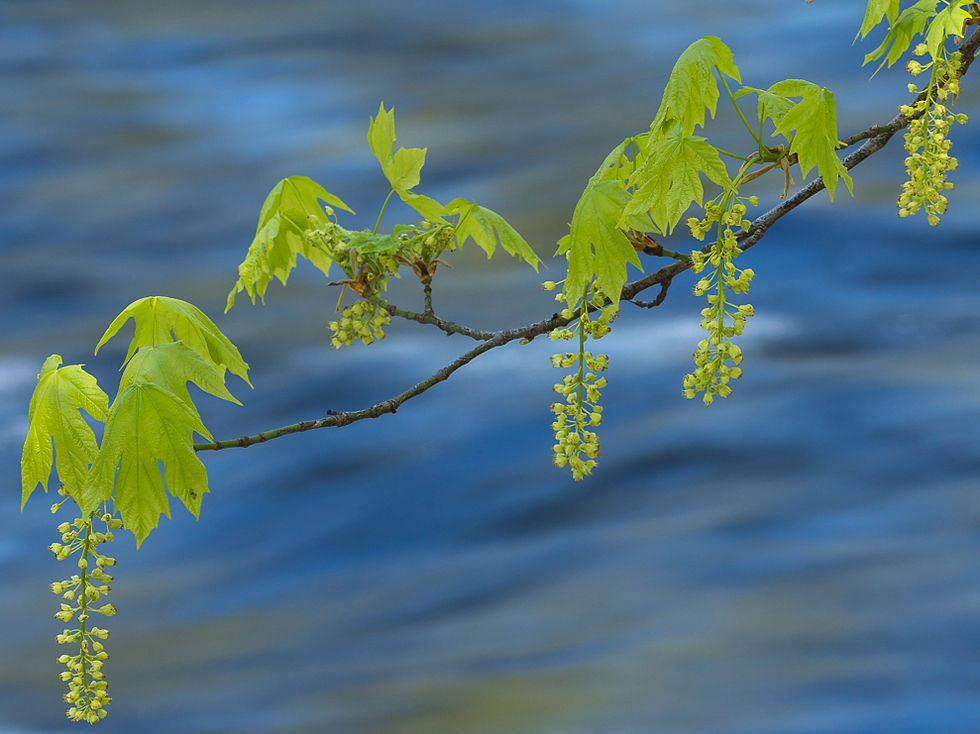
For your own work, try writing a goal with two parts: what you value and what you'd do to pursue it. For example, you might want to understand moving water more clearly, so you spend several outings comparing how your shutter-speed choices change its appearance. Or you might want a more personal record of a nearby woodland, so you return through a season and select a small group of photographs that brings a personal collection together.
Choose the standard before you judge the result. Otherwise, the most visible response can quietly become the only one that counts.
These are possible applications, not requirements Grant would set for anyone based on what his guests have shared over the years. The useful part is that you can explain what progress would look like before an audience reacts.
Grant also described photographers whose attachment to the outdoors is central to why they photograph. Keep that in view when assessing an outing: enjoying the place and making a strong image are both valid sources of satisfaction, and you can value them separately. A photograph can need improvement without erasing what you appreciated about being there.

Give Yourself Permission to Learn Through Imitation
Finding your own voice can sound like a demand to be original before you've even learned how to operate the camera, which would clearly be an uncomfortable place to start. You may be drawn to photography precisely because you've seen work you'd love to understand and make for yourself.
Grant sees imitation and repetition as part of learning a technique or entering a new genre. He also makes room for the personal value of photographing an iconic subject. Your view of a familiar landmark still records conditions you experienced and choices you made, even when many photographers have been there before.
Michael connected that idea to seeing the Milky Way on the back of his camera for the first time. Similar photographs already existed, but the achievement was his. That first experience didn't need to be unprecedented to mean something.
Where you go afterward deserves more thought. When a familiar composition helps you learn, identify what it taught you: Was it recognizing how a foreground relates to the distance? Understanding exposure at night? Discovering how reflected light changes a subject? Naming the lesson learned gives you something you can apply elsewhere, instead of leaving the achievement attached to one location.
Then make a decision that another photographer can't make for you. Choose which relationship in the scene interests you, what to leave outside the frame, or when the movement looks right. You don't have to change everything at once; one considered departure from work that inspired you gives you something to evaluate, and a reason to make the next photograph.
Look for Your Voice in the Choices You Keep Making
Personal work doesn't require access to a subject nobody else has seen. Grant points to the range of ways photographers interpret landscapes, including unique perspectives that others don't have. He also describes how years of familiarity with a local place can reveal possibilities a passing visitor may miss.
For your own photography, familiarity can be a useful place to begin. Repeated visits let you spend less attention figuring out where you are and more attention deciding what interests you. You may keep returning to patterns in rock, trees interacting with one another, or the way water changes the edge of a shore over time or in the moment. Follow the interest long enough to discover what you want to do with it.
One exercise you can perfom is to look at six photographs you care about and write down why each matters to you. Be specific about the decisions: a tight frame, a quiet color relationship, an unusual viewpoint, the moment you chose to release the shutter. Look for recurring interests, but don't force six different photographs into a grand statement about your style.
You might discover a direction you'd like to explore further; you might also find that you're still trying several approaches. Both outcomes give you useful information. Declaring a permanent style too early can make every new interest feel like a departure you need to defend.
There's also a difference between pursuing something because it holds your attention and pursuing it because you think it will be well received. Grant acknowledges that a trend can be creatively satisfying for some photographers. His question is whether it actually satisfies the person making the work. If it does, enjoy it! If it doesn't, popularity alone is a poor reason to let it determine your next outing.

Arrive With a Plan and Keep Looking
A compelling destination can give you a reason to go out, but it doesn't decide what you'll notice along the way. Grant points to photographers who plan a trip carefully and still stop for subjects they didn't expect. That willingness to respond is part of what he means by learning to see.
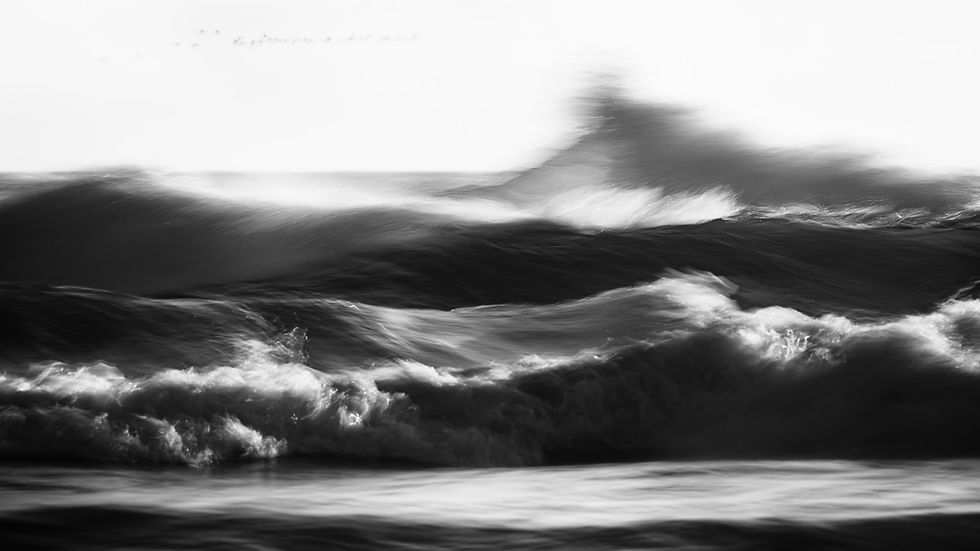
His own beach outings provide a useful example: sometimes he sets out before sunrise without having settled on the particular beach. Once there, a clear sky may make the sunrise photograph he hoped for less appealing, so he might turn to photographing surfers, waves, or patterns in rocks, working with what the conditions offer.
You don't need to adopt his spontaneous approach to destinations. A detailed plan and an open mind can coexist. The practical question to ask yourself is whether you can recognize another possibility when it appears, even if you haven't yet reached the place you intended to photograph.
Before deciding an outing has failed, name the one photograph you can't make. Then give something else your attention.
If you find yourself saying there's nothing to shoot, pause and describe what's actually missing. Perhaps it's cloud color, distant visibility, or the light on one subject. That description is narrower, and it leaves more of the landscape available to you as long as you give yourself the opportunity to truly see your surroundings.
From there, look for one relationship rather than another complete scenic view: a bright rock against darker water, overlapping trunks, or repeated lines in wet sand can give your attention somewhere to settle. Change your position and see how that relationship changes. Take time to understand why it caught your eye before deciding whether to make a photograph.
Jeffrey describes walking past trees and scenes that he once barely registered. As he learned to see more possibilities, the journey between destinations became more photographically interesting. That kind of change gives you another way to recognize growth: you have more choices available because you're noticing more of what's already there.

Ask for the Kind of Learning You Need Next
Grant's conversations have included photographers who learned through formal education, mentorship, workshops, and self-directed study. He didn't describe one route that everyone should follow. What stood out was the continuing interest in learning, including learning how to think and see after the camera's basic operation becomes familiar.
That distinction can help you choose what to study. A technical question may have a fairly direct answer: which setting controls a result, or how a tool behaves. A creative question often needs discussion because the answer depends on what you want the photograph to communicate.
Try completing this sentence before seeking instruction: I can already do this part, but I'm unsure how to do the next part. That might lead to:
A focused tutorial when you need to understand a particular tool or technique.
A conversation about a photograph when you want to understand why someone made certain choices.
Feedback on your own images when you can make the photos but struggle to see what's working.
Time with an instructor in the field when you need help noticing possibilities and making decisions as conditions change.
Those are our suggestions for applying the lessons from our discussion. Whichever format you choose, leave room to use what you learn. After a podcast, lesson, or critique, select one idea to test rather than collecting a longer list of things you might eventually try.
Grant also cautions that making strong photographs and being a good educator aren't the same skill. If you're considering private instruction, pay attention to how clearly someone explains their decisions and whether their approach matches the question you're trying to answer. Admiration for their portfolio is a starting point; the learning relationship needs more than that.

Be Clear About How You Create Your Work
Your photographic voice includes the process you're comfortable using and the relationship you want viewers to have with the result. During our discussion of AI and compositing, Grant emphasized being honest about how an image was made. He describes his own choices as personal, without insisting that everyone use his methods.
For your own presentation, explain significant alterations when they would change a viewer's understanding of the scene or experience. If an image combines different scenes or contains generated elements, say so clearly. You can describe your creative intention while giving people an accurate account of the work.
That transparency belongs alongside your other choices about photography. It helps you articulate what matters to you and gives viewers the context to understand it.
Put It Into Practice: Give One Outing a Personal Purpose
Try this on your next visit to a place you can reach comfortably. The exercise brings together the decisions above without requiring new equipment or exceptional conditions.
✓ Set your purpose before leaving. Write one sentence about what would make the outing worthwhile. Choose something you can act on, such as exploring how reflected light changes a familiar subject.
✓ Name an influence and its lesson. Recall a photograph or conversation that interested you, then identify the idea you want to explore rather than an image you need to reproduce.
✓ Let the location answer back. When you arrive, compare your plan with what's present. If they don't match, name the missing condition and look for a different relationship you can work with.
✓ Make one deliberate variation. Change your position, framing, timing, or treatment of movement for a reason. Notice what you gain and what you lose.
✓ Review your choices before sharing. Compare the results with the purpose you set. Describe one decision that helped and one question the outing raised.
✓ Take that question into your next learning session. Find a lesson, conversation, or critique that addresses it, then give yourself another chance to apply the answer.
Afterward, ask yourself: Which decision made this experience feel more like my own, and which decision was I making mainly to meet someone else's expectations?
You may still want to photograph the famous view, the dramatic sky, or the familiar subject. Now you'll have a clearer reason for pursuing it, and more options when something else catches your attention.
Spend Some Time With Grant's Perspective
In our full conversation, Grant explains how years of listening to other photographers have changed the way he thinks about his own work. Episode 38, Finding Your Own Way in Photography, also explores the personal reasons people photograph, the varied realities of earning an income, and the value of being open about the work you share. Join us for the stories, questions, and occasional detours behind these ideas.
If you found this article valuable, let us know by tapping the heart icon below!


Guest Resources
More Photographs by Grant
© Grant Swinbourne © Grant Swinbourne © Grant Swinbourne © Grant Swinbourne © Grant Swinbourne © Grant Swinbourne © Grant Swinbourne © Grant Swinbourne © Grant Swinbourne © Grant Swinbourne © Grant Swinbourne © Grant Swinbourne © Grant Swinbourne © Grant Swinbourne © Grant Swinbourne