💫 How a Familiar Place in Nature Can Support Mental Well-Being

Updated: 9 hours ago
Build a Repeatable, Low-Pressure Practice Around Attention, Creativity, and Connection Without Treating Nature as a Substitute for Mental Health Care

Finding Solace in Zion National Park with Andrew Baruffi
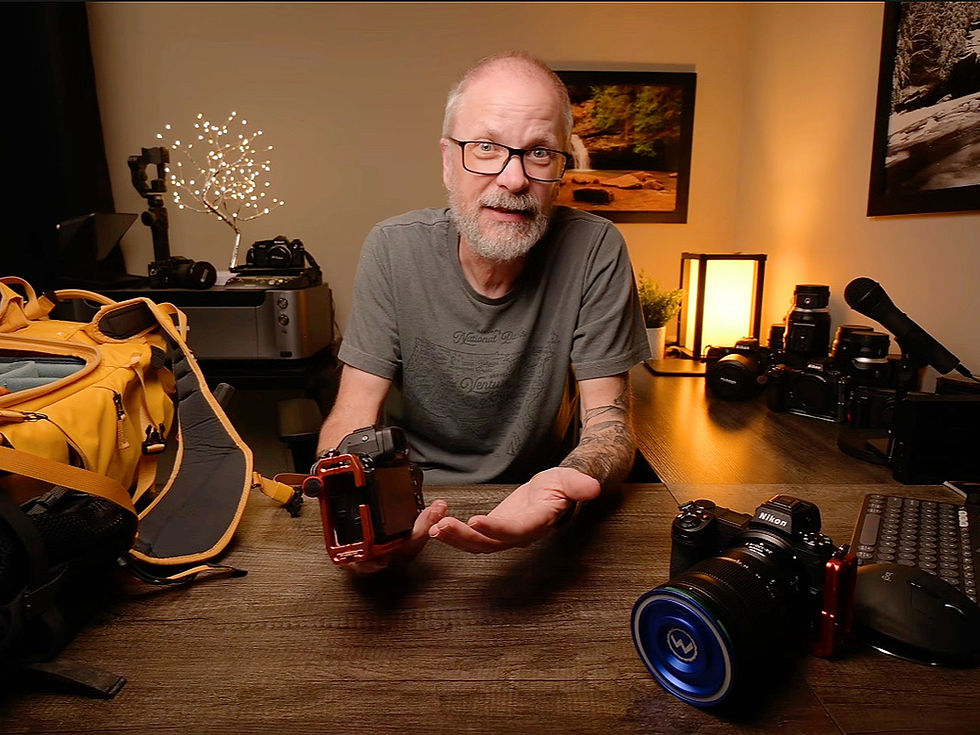
In Episode 34 of our Shutter Nonsense podcast, we spoke with nature photographer Andrew Baruffi about his relationship with Zion National Park. We discussed the role photography plays during periods of serious mental health struggles. This guide builds on that conversation, combining Andrew's experiences with additional research context, practical considerations, and support resources for building a healthier relationship with nature and creative work.
A place can become significant for reasons that have little to do with making a compelling photograph. It may give you a reason to leave the house, a path that asks fewer decisions of you, a set of details that redirects your attention, or a quiet ritual you can repeat when everything else feels unsteady.
Andrew found that kind of place in Zion. His experience is deeply personal, and it shouldn't be treated as a formula that will work for everyone. Even so, it raises a useful question for any photographer: how can you build a relationship with a place that supports attention, creativity, and connection without asking it to carry more than it can?
Content note: This article and its companion podcast episode discusses depression and struggles with mental health, including a brief reference to suicidal thoughts. It is intended for informational purposes and is not medical advice. If you are struggling, consider reaching out to a qualified mental health professional. If you are in crisis or concerned that you may harm yourself, call or text 988 in the United States. If you are in immediate danger, call 911 or go to the nearest emergency room.
Choose a Place You Can Return to Regularly
The most useful place for a repeatable practice of placing yourself in nature may not be the most spectacular one. Zion National Park mattered to Andrew partly because it was close enough to reach. At the time, he lived about 45 minutes from the main canyon and even closer to Kolob Canyons. That access allowed the relationship to grow through repetition rather than depend on one transformative trip.
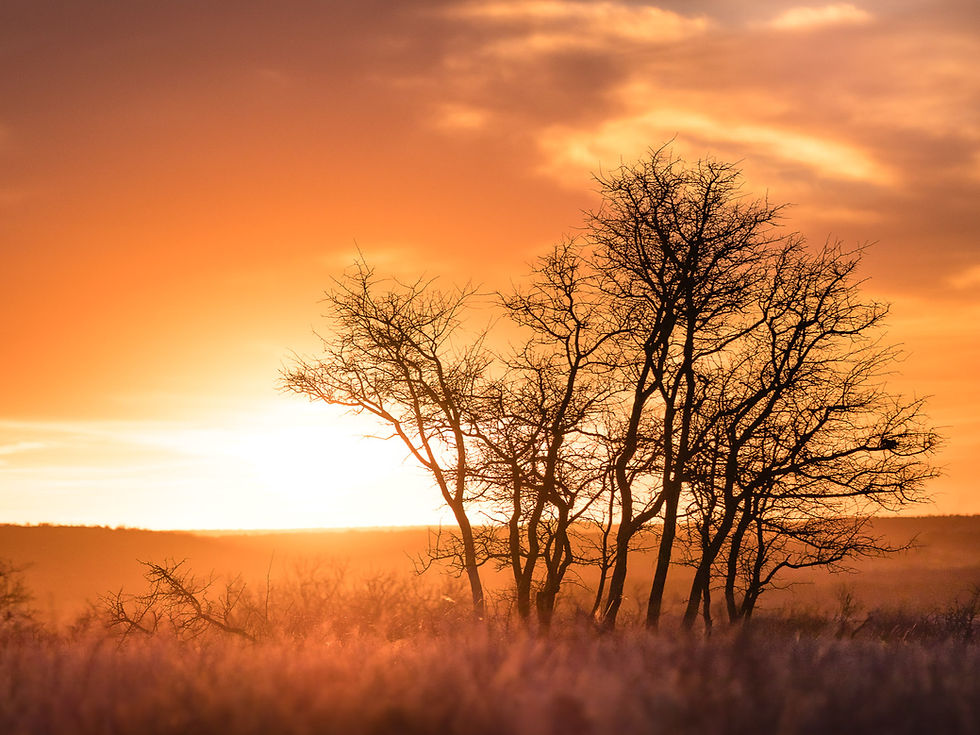
Your go-to place might be a national park, but it could just as easily be a neighborhood trail, a lakeshore, a city greenway, a small nature preserve, or a familiar stand of trees in a nearby park. Consider what you can visit when your energy is limited, the weather is ordinary, or you only have an hour. A place that requires a major expedition may inspire you, but it is harder to turn into a steady practice.
A meaningful place doesn't have to be famous. It has to be accessible enough that you can return.
When choosing a place, ask:
Can I reach it without turning the visit into a major logistical project?
Does it feel physically and emotionally safe for the way I plan to visit?
Can I return in different seasons, weather, and times of day?
Is there enough visual or sensory variety to reward attention without requiring novelty every time?
Can I visit with another person when solitude is not the right choice?

Familiarity Can Reduce the Pressure to Perform
A new place can be exciting, but it also creates more pressure due to more decisions. Where should you go? What are you missing? Is the light good enough? Are you wasting the opportunity? Familiarity removes some of that noise. You already know the turn in the trail, the bend in the river, the tree that catches reflected light, or how the light changes on a particular spot at different times of day.
Andrew often repeats the same hikes and returns to the same subjects in Zion. Familiarity doesn't make the park static or boring: it makes change easier to see. Andrew is so attuned to his surroundings that he's naturally aware as ice forms and disappears in the washes within the eastern side of the park. Fallen leaves are framed within new patterns along the banks of the Virgin River. Over time, a heron returned to a familiar bend, and he felt they made a connection rooted in silent trust.
The place you visit most often becomes so recognizable that you learn to subconsciously read its story. Small differences that initially went unnoticed start to take on great significance: you begin to attain oneness with nature.
For your own practice, repetition can reduce the demand to discover something completely new. The goal is not to force a photograph from every visit; it's to make attention easier to embrace. A familiar path gives the mind a starting point, especially on a day when planning, novelty, or ambition feels like too much.
Let Attention Get Smaller
Andrew's move toward small scenes was partly a shift in his creative interest and partly practical. Grand landscapes asked him to solve for light, weather, scale, and timing. In contrast, a leaf in ice or a quiet pattern on the ground gave him something contained. He could stay with one composition for hours, refine it slowly, and direct his attention toward choices he could control.
You don't need to copy his subjects or spend hours composing a single frame. The transferable idea is to reduce the size of the task. When your mind feels crowded, a narrow goal may be more approachable than an open-ended demand to create something meaningful.
The photograph is optional. Paying attention is the practice.
Try replacing “I need to make a good photograph” with one of these prompts:
What has changed since my last visit?
What is happening within ten feet of where I am standing?
Which texture, sound, reflection, or movement keeps drawing my attention?
Can I make one careful composition without worrying whether it belongs in my portfolio?
What can I notice here even if I never take the camera out?

Use Photography as a Practice, Not a Test
Photography can be helpful when it gives the visit enough structure to simply begin. Your camera offers a reason to slow down, scan your surroundings, compare relationships, wait for movement, or return to the same subject. The danger appears when the photograph becomes a verdict on whether the outing was even worthwhile.
A low-pressure practice separates participation from performance. You can make images without posting them, edit without ever finishing, walk without taking out the camera, or return with nothing more than a few new memories. The visit still happened. You still noticed. You gave yourself time in a familiar, natural environment.
Andrew's behind-the-scenes phone clips began as a way of grounding himself in where he was in the moment. Pointing the camera toward his feet and the surrounding scene preserved emotional context before it later became a public demonstration of how the finished photograph was made. That raises a useful point of distinction: documenting moments can serve memory and improve attention before it serves an audience (if it ever does so; that's up to you).
Add Words When the Photograph Is Not Enough
Andrew eventually began pairing every one of his images with writing. At first, he kept the notes simple: where he was, what the weather was doing, what he ate, and how the day felt. Over time, they carried more of the emotional and creative context that the photograph alone could not communicate.
If you choose to try it and find it helps you process your thoughts or emotions, writing doesn't need to become a polished essay or public disclosure. A few sentences jotted down can help you separate the experience from the image and make the visit easier to remember for what it was beyond the act of making a photo. You might note:
What brought you to the place that day.
One sensory detail while immersed in nature that held your attention.
What changed in the place, or in your response to it, since your last visit.
Whether making a photograph helped, added pressure, or felt irrelevant.
How your mental state changed from when you arrived to when you departed.
This kind of writing can support deeper awareness and reflection, but it isn't effective therapy by default. If writing intensifies distress, rumination, or a feeling of isolation, simply stop. It's not an assignment; rather, it's one of many possible tools to help you feel more present and rooted in nature.

Balance Solitude With Connection
A familiar place may offer quiet, but quiet is not the same as support. Solitude can make space for attention and reflection, whereas isolation can make a support system feel agonizingly small. The distinction depends on what is happening around the practice of spending time in nature and whether connection remains available to you afterward.
Our conversation with Andrew repeatedly returned to community. Andrew described photography as images, gear, inspiration, and people; Jeffrey emphasized that a shared interest can make adult friendships easier to begin. Michael also reflected on how important his wife, Heather, and his photography relationships that he'd forged over the years were during his own struggles with depression.
A healthier place-based practice may include:
Inviting a friend when being alone does not feel safe or helpful, or you simply want some company.
Sharing one observation or photo with a photography friend without asking for critique.
Joining a local walk, camera club, volunteer group, or online community that encourages genuine conversation and connection.
The goal isn't to turn every visit into a social event or to forego solitude when it's truly wanted. It's to make sure one place, one hobby, or one relationship is not being asked to carry your entire well-being.
Hear Andrew's Full Story
This guide organizes the practical lessons and safety boundaries. Episode 34, Finding Solace in Zion National Park, adds Andrew's full personal context, the evolution of his Zion photography, his small-scene process, the writing behind Heal., and the conversation Michael and Jeffrey had with him about routine, motivation, community, and meaning.
Content note: The episode includes candid discussion of depression and suicidal thoughts.
If you found this article valuable, please give it a like by tapping the heart icon below.


Related Links & References
More Photos from Andrew
Support. © Andrew Baruffi Soothe. © Andrew Baruffi Special. © Andrew Baruffi Signature. © Andrew Baruffi Phases. © Andrew Baruffi Reverence. © Andrew Baruffi Concentrate. © Andrew Baruffi Intention. © Andrew Baruffi Freeze. © Andrew Baruffi
If You Need Support Now
You do not have to handle a crisis alone. These resources are for people seeking help for themselves or someone they care about.
Immediate danger: Call 911 or go to the nearest emergency room.
988 Suicide & Crisis Lifeline: Call or text 988 in the United States, or use the online chat at https://988lifeline.org/chat/. Support is available for suicidal crisis, emotional distress, substance-use concerns, or when you simply need someone to talk with.
This article and the Shutter Nonsense podcast are not substitutes for professional mental health care. Support is available, and asking for it is a practical next step.